Fornitore: OSK
Snoopy Iron Nanbu Tekki Tetsutama
Descrizione
Product Description
This cast iron piece, known as a "Tetsutama" (iron egg), is a traditional Japanese cooking tool used to enhance the color of food during cooking. Simmering it together with black beans deepens their color to a richer, glossier black, and adding it to pickled eggplant (nasu) brings out a more vivid purple-blue hue — a well-established technique in Japanese home cooking. Made of solid cast iron, it can also be boiled in water, tea, or broth; doing so releases a small amount of dietary iron into the liquid.
Nanbu Tekki Craft
Nanbu Tekki (南部鉄器) is a traditional Japanese ironware craft originating in Iwate Prefecture, with roots tracing back centuries. One lineage, in Morioka, began in the mid-17th century when the local feudal lord invited kettle-makers from Kyoto to settle in the region. Another lineage, in Mizusawa, traces back even earlier, to the late Heian period roughly 950 years ago. On February 17, 1975, Nanbu Tekki was officially designated a "Traditionally Crafted Product" (伝統的工芸品) by Japan's Ministry of International Trade and Industry, recognizing its long-standing techniques and regional heritage.
Product Specification
Size: 2.9 x 4 x 5 cm
Weight: 150 g
Material: Iron
Country of Origin: Japan
Usage
Add it directly to the pot when preparing tea, miso soup, nabe (one-pot dish), or simmered dishes, or use it with black beans and pickled vegetables for its traditional color-enhancing effect. It works on any stovetop, including IH (induction). It is not dishwasher-safe and should not be placed in a clothes dryer. With proper care, it can be reused over the long term.
Care Instructions
As this product is made of cast iron, some changes in appearance are normal during early use. Reddish spots that appear around day 5 of first use are part of a normal passivation stage, not rust, and should not be scrubbed off. Around day 10 to 14, a white mineral coating may also form, which is likewise normal. This differs from actual rust, which mainly forms when water is left standing on or inside the item. If actual rust appears, scrub it off with a stiff brush or scouring pad, then continue using the item as normal (any trace of remaining rust will not affect the taste or safety of your food). After each use, remove all water and dry the item thoroughly — residual heat from a still-hot pan helps speed this up. Lightly oiling the surface before storage is a traditional practice worth following. Then wrap the item in paper or plastic to limit exposure to air.
Potrebbe piacerti anche
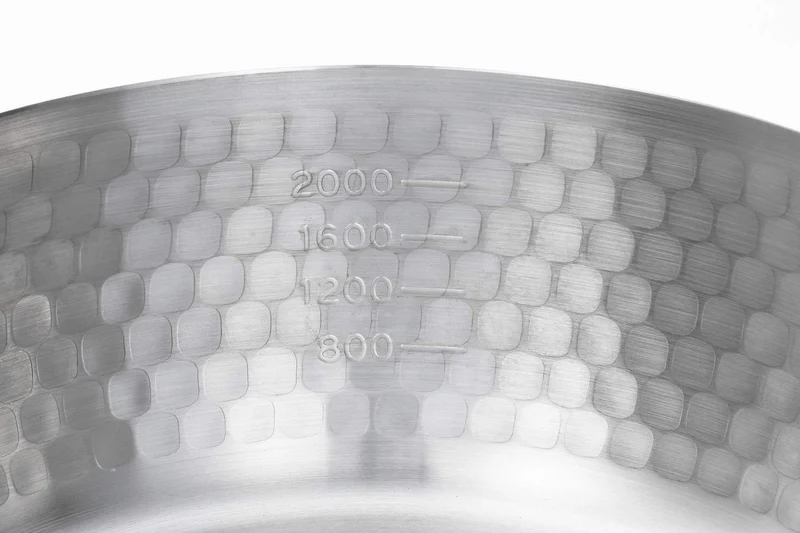 In offertaYoshikawa stainless steel snowflake pan 22cm YH6754Yoshikawa
23,56 €15,82 €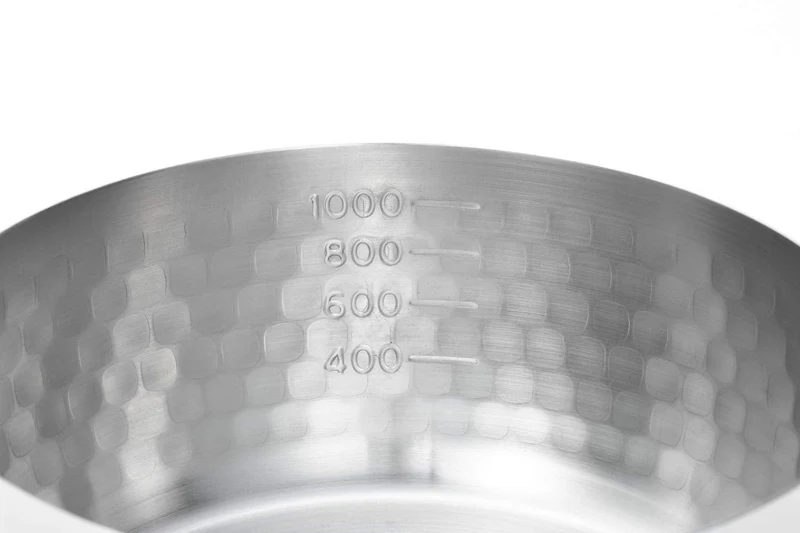 In offertaYoshikawa stainless steel snowflake pan 16cm YH6751Yoshikawa
14,17 €8,91 €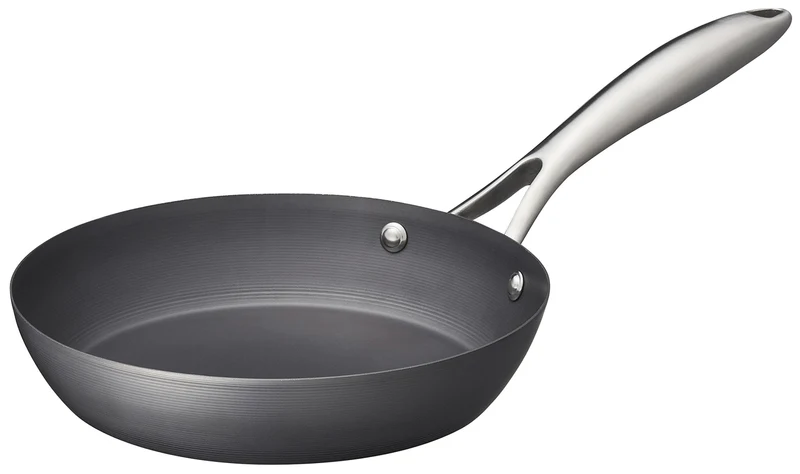 In offertaVitacraft Frying Pan 20cm IH Compatible Made in JapanVitaCraft
55,31 €30,46 €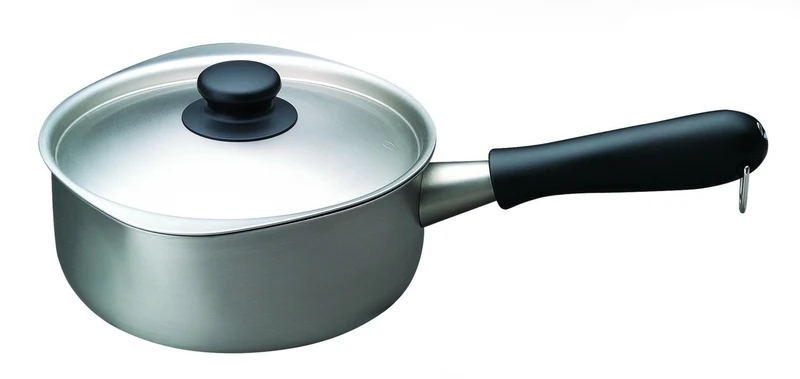 In offertaYanagi Sori ST aluminum three-layer steel one-hand pot 18, frostedYanagi Sori
73,33 €38,39 €